

A Field Guide to the Missing Words of North America

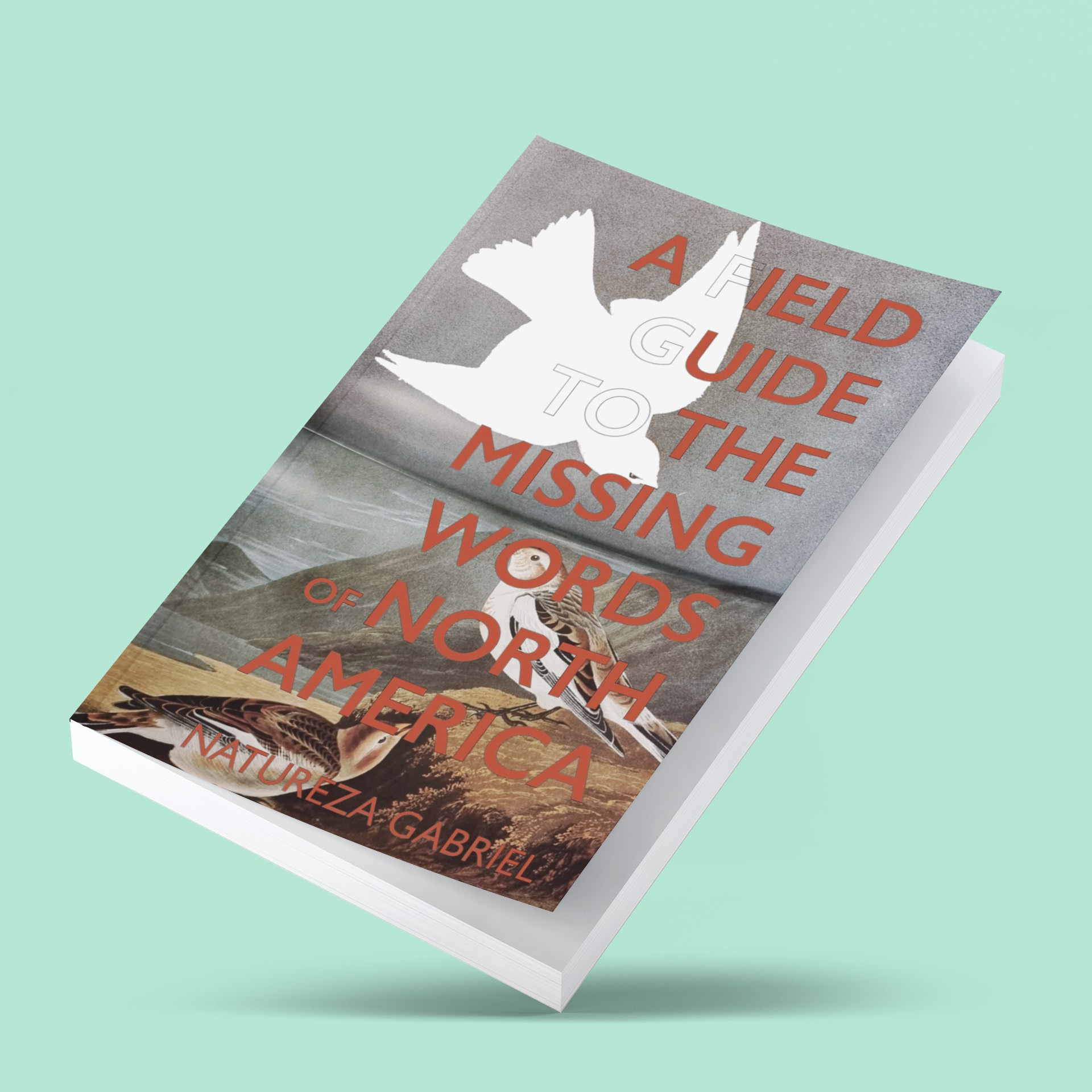
As some of you may know, we recently added a German publisher so that we could print and ship books in Europe without import duties. Prior to this transition, we took several books out of print, including a book called Keywords that we published in 2023. Since that time I have had a number of requests for that book, a number of people sharing with me what it meant to them. It was previously available only in hardcover, and I went back and started re-reading it. It connects deeply to the Autonomics book I just released, about the lineage history of neuroscience. It is a book of missing words.
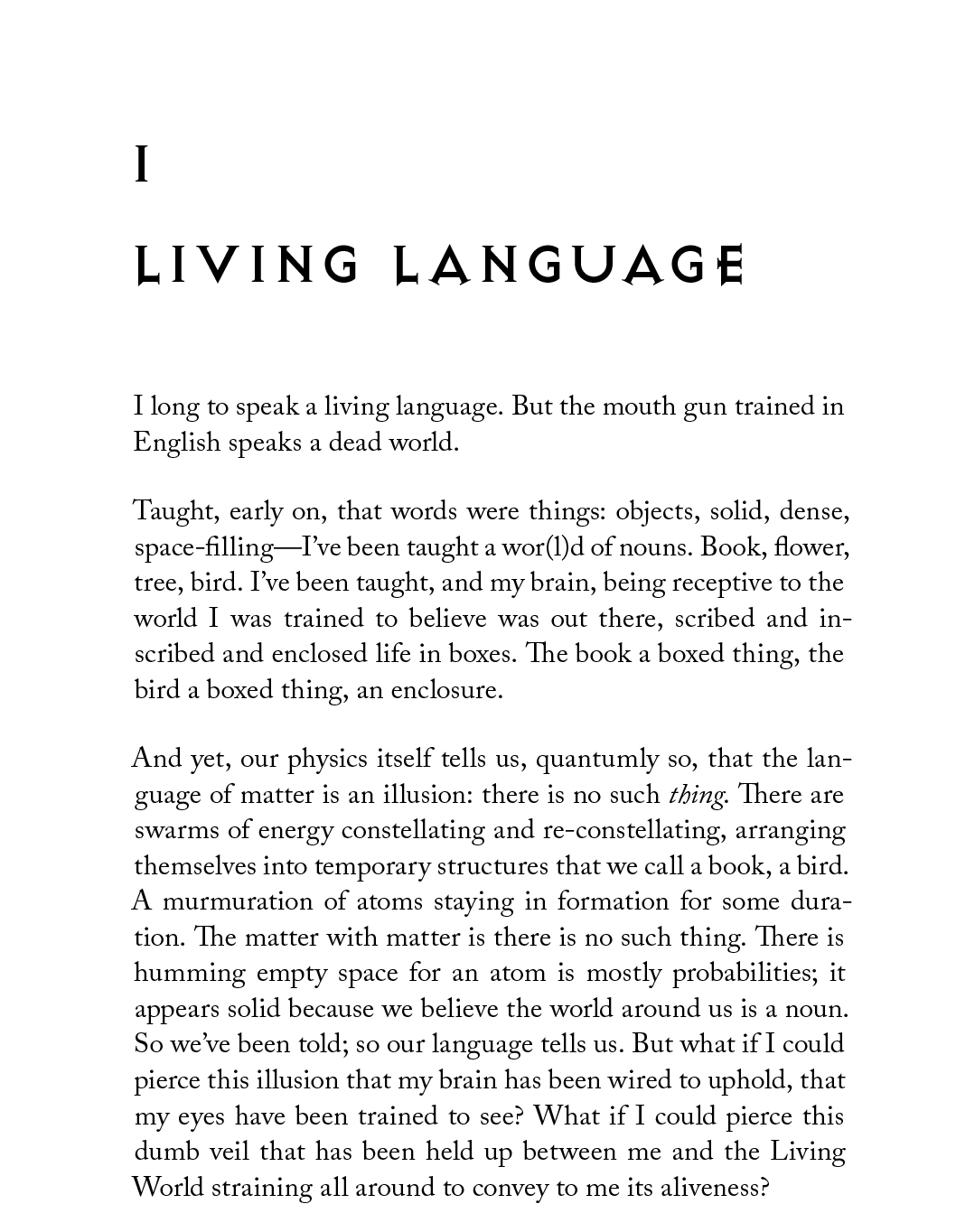
For at least the last 25 years I have been collecting words in other languages that allow us to say things that cannot be said in English because these words do not exist in English. A lexical gap or lacuna is a place where a language could have a word, but is missing one.
The history of lexical gaps in English- the active usage of a language- tells us a lot about a culture, its history, values, and priorities. Over the last several decades, the Oxford English Dictionary, and its Junior version in particular, a quasi-official arbiter of the English language, has tended to replace words for the living world with words for technology, a trend that has been highlighted in a number of places. Gone are acorn, kingfisher, and bluebell (2007 and 2012), replaced with broadband, blog, and cut-and-paste. You tell me– how does that trade sit with you? My personal reaction– you took acorn out of the dictionary? ARE YOU F*CKING SERIOUS?
Language is the net that we cast to throw naming over the world we encounter. Ludwig Wittgenstein, in the Tractatus Logico-Philosophicus says, “The limits of my language mean the limits of my world.” I don’t exactly agree with him– things happen nearly every time I meditate for which there are no words in English, so I experience on the daily that my language is not the limit of my world– however I would agree that language is a limit on my ability to share my world with others.
A child who grows up without knowledge of the word acorn loses the entire metaphorical and metaphysical understanding of how a mighty oak can grow from a tiny [acorn]. She loses the pattern language of the oak tree. I live in an oak forest now– Blue Oak, Coast Live Oak, California Black Oak, possibly others– with several different related species of oaks that all adore the soil substrate of this place. Their leaves are different (in shape, and tone (it is called Blue Oak for a reason), and velocity of coming in during the spring and the tenderest color shift they make from bud to full grown). Their bark is different, their vascular-looking structures of growth are slightly different. They look like cousins, some like siblings. They are each different, related, unique, majestic beings. The girl with no acorn in her dictionary doesn’t know anything about any of them. I grieve therefore this loss.
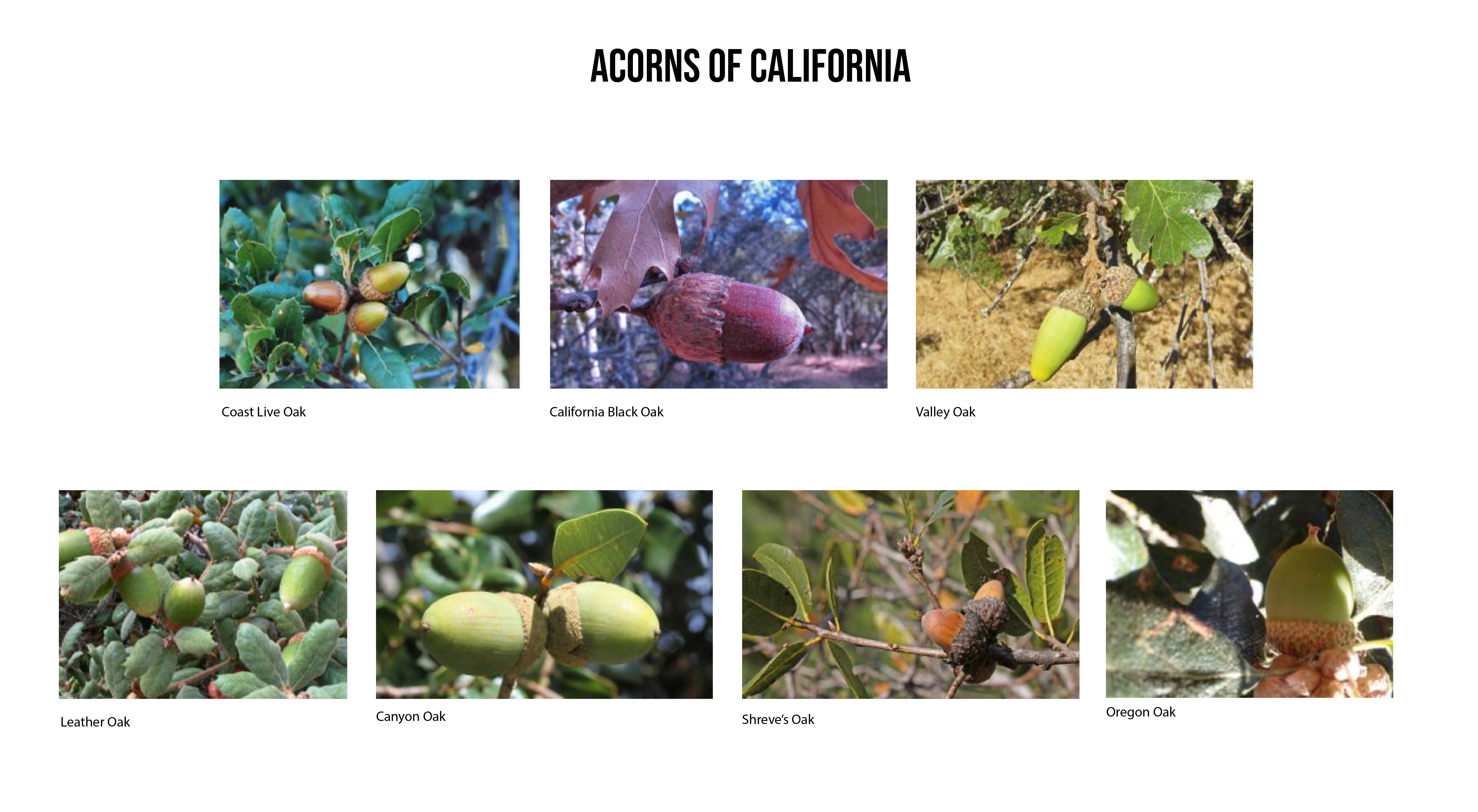
Yet languages are living, and so they get expanded and trimmed all the time, tailored to the requirements of those using them. Children growing up in urban spaces, in boxes of various kinds, stationary and moving (apartment, school, bus, subway) interact with a different imaginal world than I do stalking coyotes in the marsh and through the acorns, which I can differentiate by species. Some words fall out of usage, some are thieved from us by imperial power trying to cause us to forget that we are sovereign beings.
And so we don’t have a word in English for the color of sunlight filtered through leaves, despite the fact that this green gold color is our primal evolutionary homescreen– what do you think we were looking at for the millions of years before we came down from the trees seven million years ago? (see komorebi in Japanese). When we greet somebody, we do not say– Hello my other self, despite the fact that at some existential level that’s what a greeting between two members of the same species always means. (See Aang Waan in Unangan.) Our word for meditation doesn’t mean- bring your heart to it- despite the fact that this is part of what meditation means. (See Lasser Lev in Hebrew.)
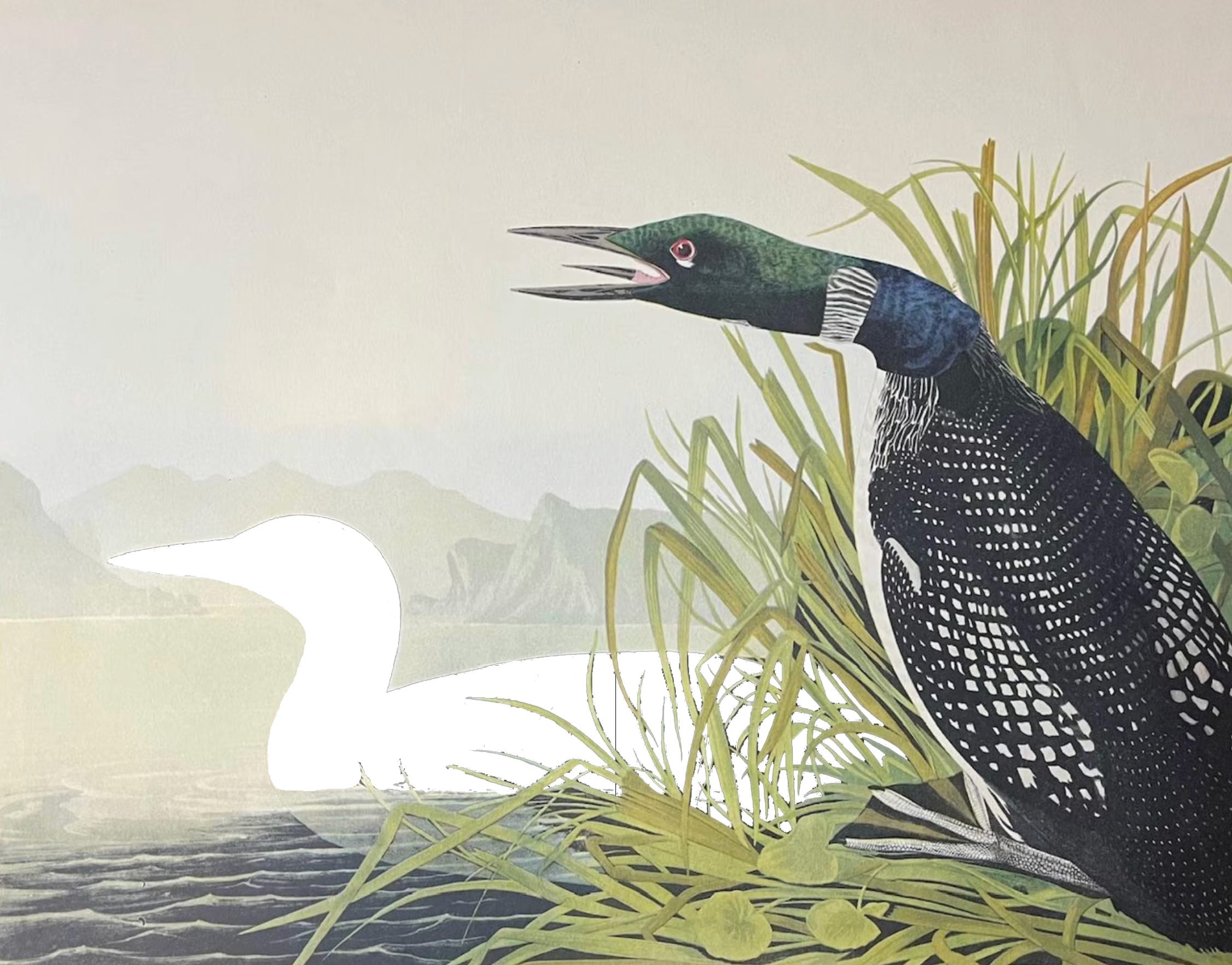
Like rare or exotic birds believed to be extinct until they are glimpsed in aboriginal forest, the missing words in this volume will bejewel your life with the rememberance of happenings to which you have not previously been able to attach language. Glimmers in the mist, embers in the dark. They will expand your world, because that is what words do ;)
You understand.
Preorders are open. Book should ship May 15, 2026
Cheers, pre-ordered!