

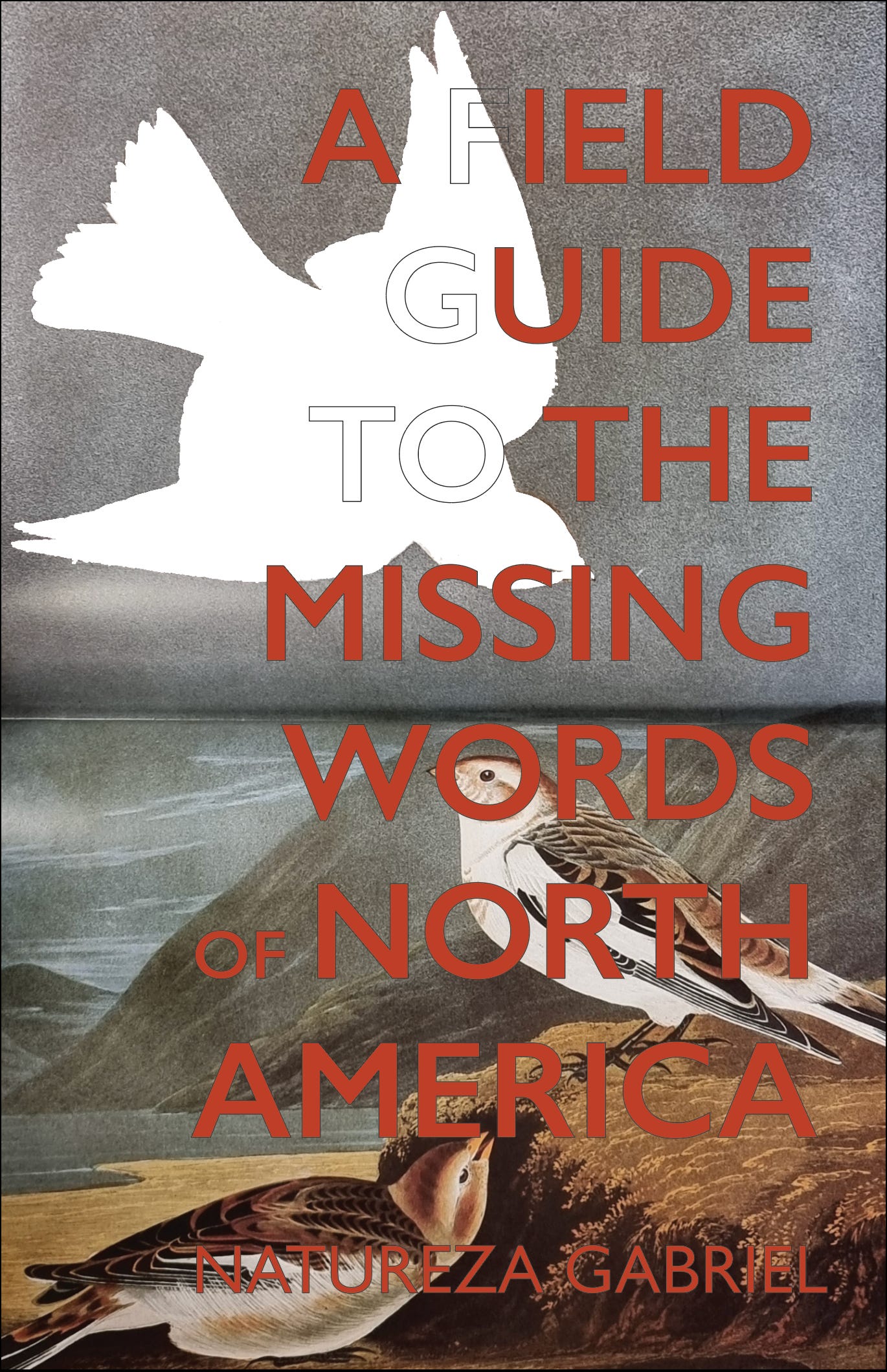
A Field Guide to the Missing Words of North America

There is something in the alchemy of the final stages of completing a book project– when the files themselves are being prepared for the printer, with the movement of the text from the digital medium it inhabited on your computer screen into the final facticity of the object– where the realization that it is actually finished begins to hit you.
I am pleased to announce the arrival today of a substantive revision of our 2023 book Keywords, which was under-appreciated at the time if you'll forgive me for being so blunt.
I have been identifying holes in the English language since I was 19 years old (almost 32 years ago), a freshman at college, began to meditate, and daily began having experiences I could not translate into English.
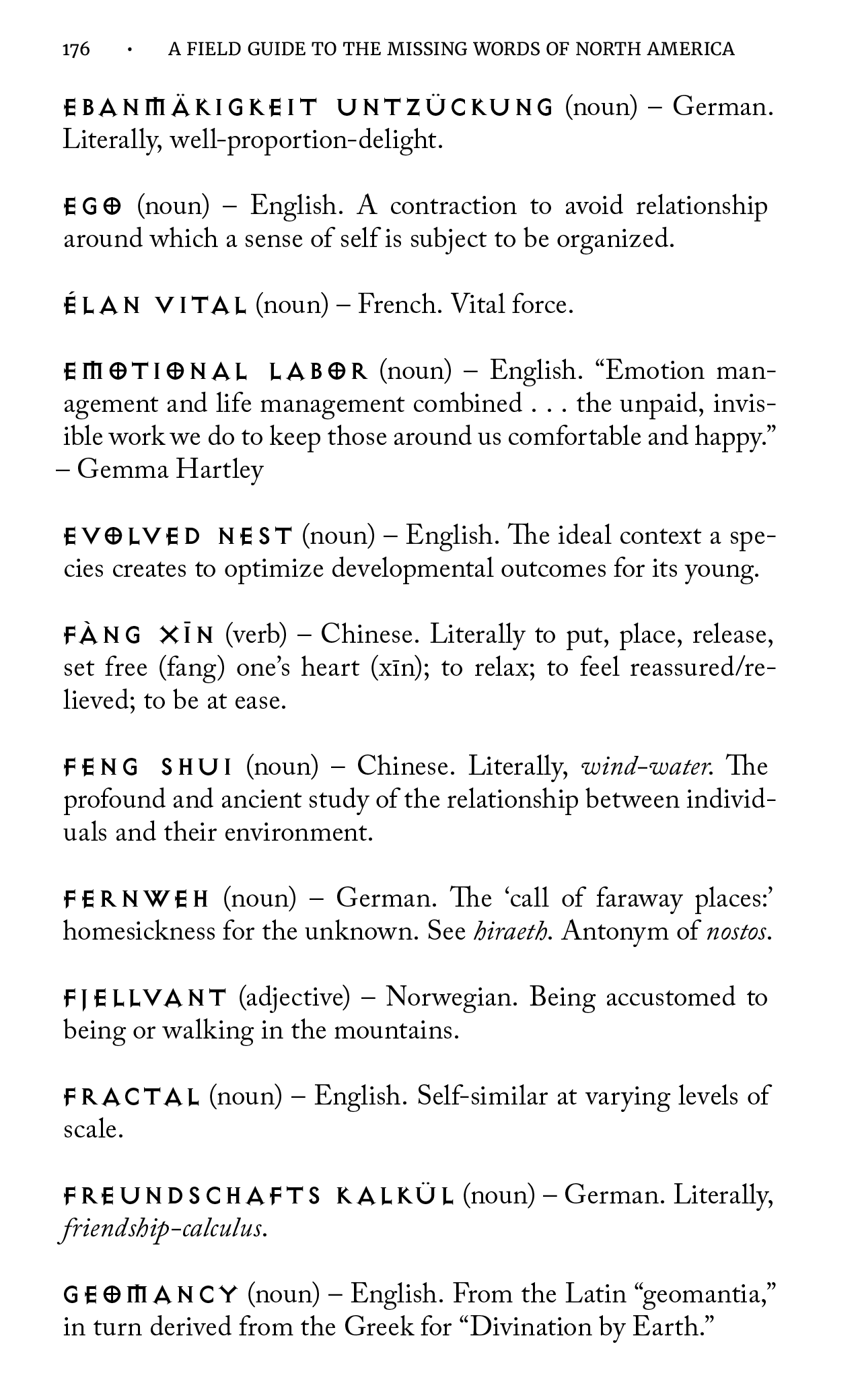
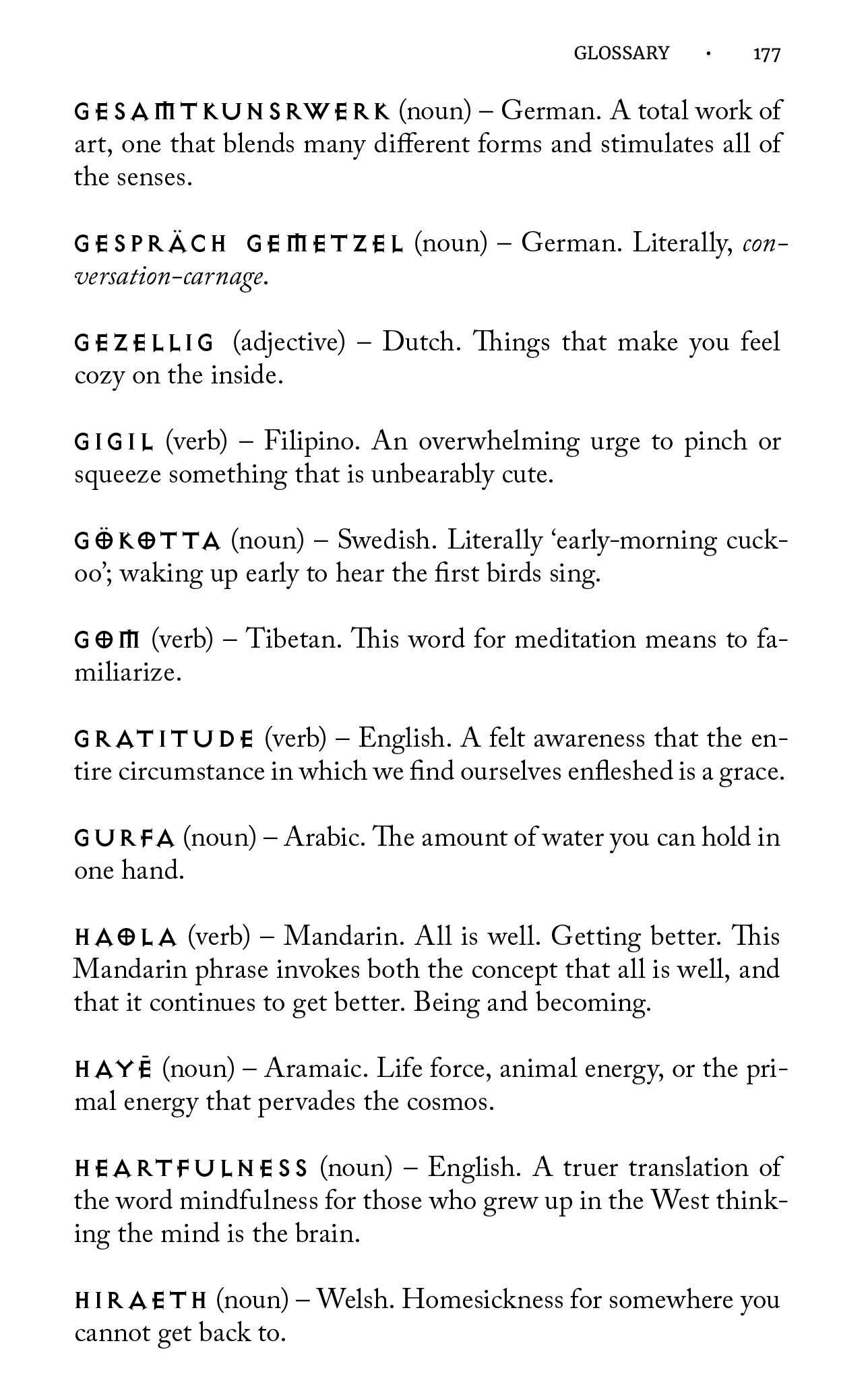
I became convinced (I am still convinced) that there is a meta-pattern to the lexical gaps in English. A lexical gap, or lacuna, is a place where a language is missing a word. We can identify that it is missing because a word referring to the phenomenon exists in another language. For example– in Japanese you can refer with a single word to the greengold color of sunlight filtered through leaves. This word, komorebi, titles a phenomenon that then becomes a strand in the net of language we carry around within and between us and make sense of the world through. Language is not our only, or even necessarily primary mode of knowing the world, but it sure is easier to talk with other people about things we can name.
(Here is a page of the glossary E-F-G)
My contention, roughly, is that the long project of imperial domination, back to Rome, has continued to stripmine our language of words for interiority, relatedness, earthing, and connection, simply because these are facets to which domination cannot attach. That which it cannot extract it attempts to disappear. And in this way these holes in the language– many of which are words thieved from us by imperial decree– bear directly upon our capacity to experience ourselves inwardly.
This bears directly upon our work because these words are necessary to our ability to skillfully interocept– which is to feel our bodies from the inside, as well as to name these territories to which the hegemony of thinking, and the hegemony of visuality (if you can’t see it, it ain’t real) have occluded our access. Our work in neurophysiology is, in large part, capacitizing people’s direct access to inward experience that is very difficult to name in English because we are missing the words.
Today I am republishing an updated version of this book with some changes to the order of material and updates to the physiology section based on our new foundation model in Autonomics.
The book is available in the US, UK, Australia, and Europe.
While you are shopping for books, our previous release, Autonomics, Placing the Lineage History of Neuroscience on a Sacred Foundation, is pretty interesting.
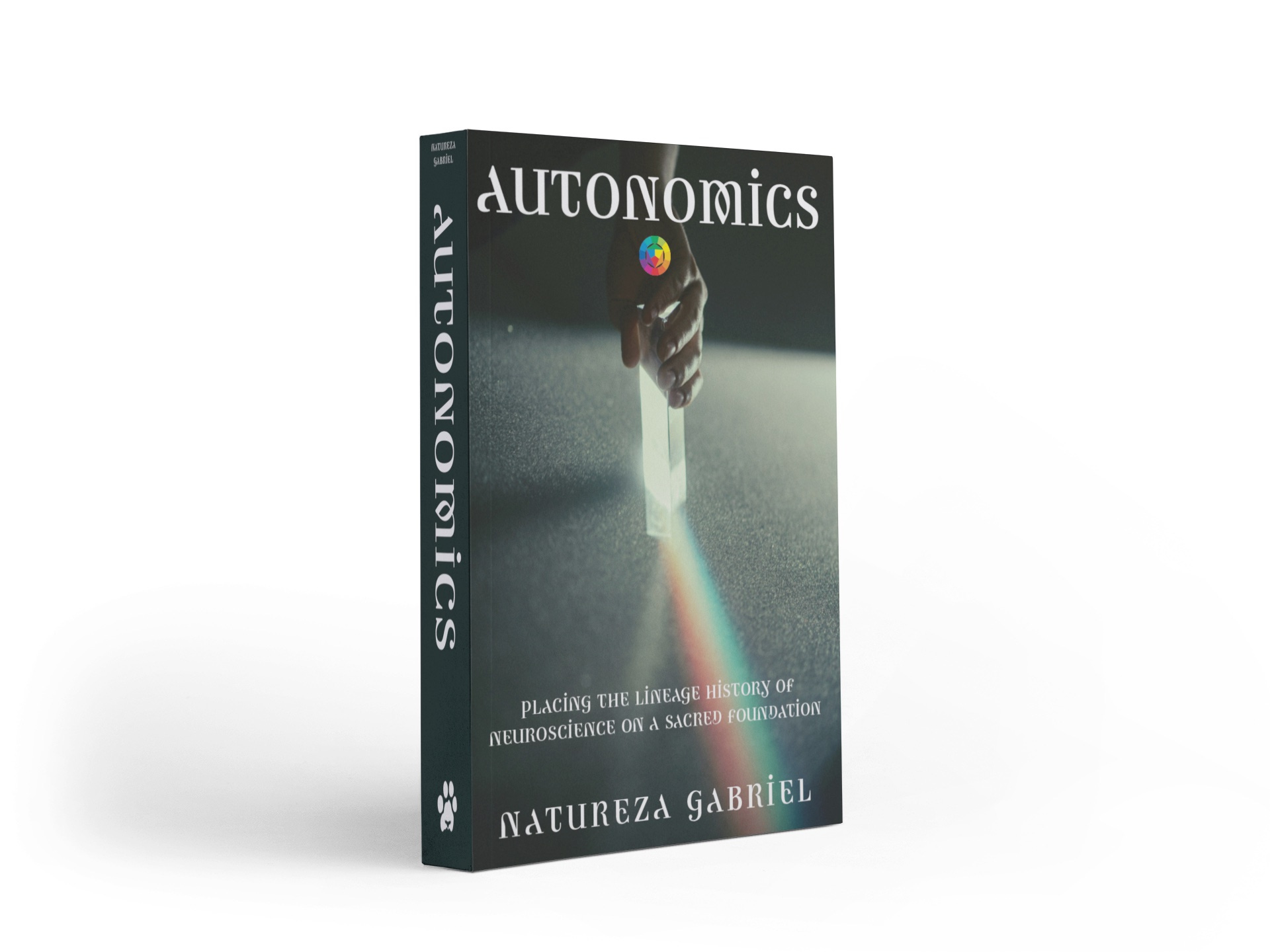
Your new book, Autonomics, arrived yesterday. This morning I went into the kitchen. My wife was making coffee. I said: "I'm reading the most amazing book I have ever read in my life."
–Peter Barus, author of Extinction at the Dawn of the Attention Age