


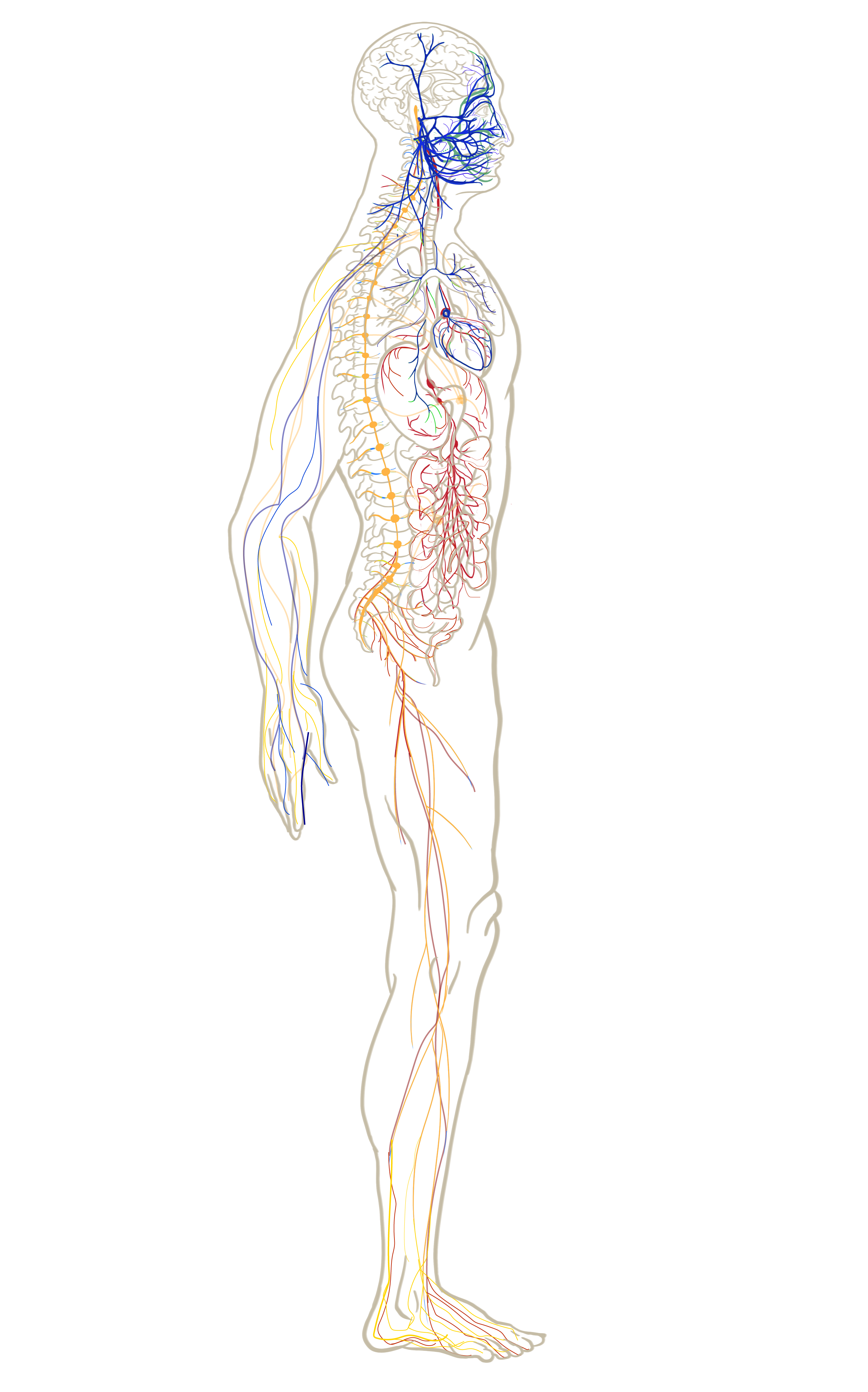
Two weeks from today (Saturday February 28 from 8 to 11 am Pacific time, -8 hours GMT) I’m going to teach an extremely practical course in autonomics. We in the process of developing a consumer version of our work– streamlined, simplified, very non-technical. Autonomics 101, Autonomics for Dummies, something like that. The basic neurobiology of the human Operating System.
The So What & Who Cares of our work for people who really have no particular interest in this stuff. What is it that we are teaching that an everyday person needs to know?
This will combine learnings from Autonomic Triage, our book for first responders with foundation concepts from Finding Home in your Nervous System. These are two of our basic primers on the work.
In the training, which is 3-hours, I’ll cover
What is the autonomic nervous system
What does it do & why is it important?
What is 3 x 3 x 3: our primary autonomic model
What is neuroception?
What are the three autonomic systems? Where are they located?
How do these systems coordinate and de-coordinate in patterned ways?
What are the three primary neurochemistries that interact with autonomic neurology?
What is stress?
What is hot stress? (fight-flight responses)
What is cold stress? (shutdown responses)
How can we feel the difference between them?
How is a kind of stress that most people do not know they have (cold stress) governing their behavior and physiological state in ways that can’t identify is happening?
How can we recognize these states in someone else?
The concept of a ‘continous load pathway’ to exit allostatic load (stress)
Continuous load pathways for hot stress
Continuous load pathways for cold stress
Supporting someone else to exit allostatic loads