

What is healing?
In conversation with Dr. Sera Sheppard of the Vitalist Podcast

I recently recorded a podcast with Dr. Sera Sheppard, of The Vitalist Podcast.
When Dr. Sera originally approached me about doing this, there were two reasons I eventually said yes. One of them is that she is a chiropractic physician, and we had already had several conversations about the nuances of working with the nervous system that were profound. The other is that we had recently opened up our Autonomics Clinic, and I was having a hard time explaining to people what we do. Not that what we do is necessarily complicated– simply the view of healing from which it arises is quite different than the view of allopathic medicine, psychology, or traditional mental health.
Because this worldview is different, we employ different tools. Because we employ different tools, we are able to respond to disease in completely different ways.
In the handbook Initial Conditions, which I wrote first as a primer for our own patients and clients, to orient them to working with us effectively, I explain this through the metaphor of Japanese carpentry.
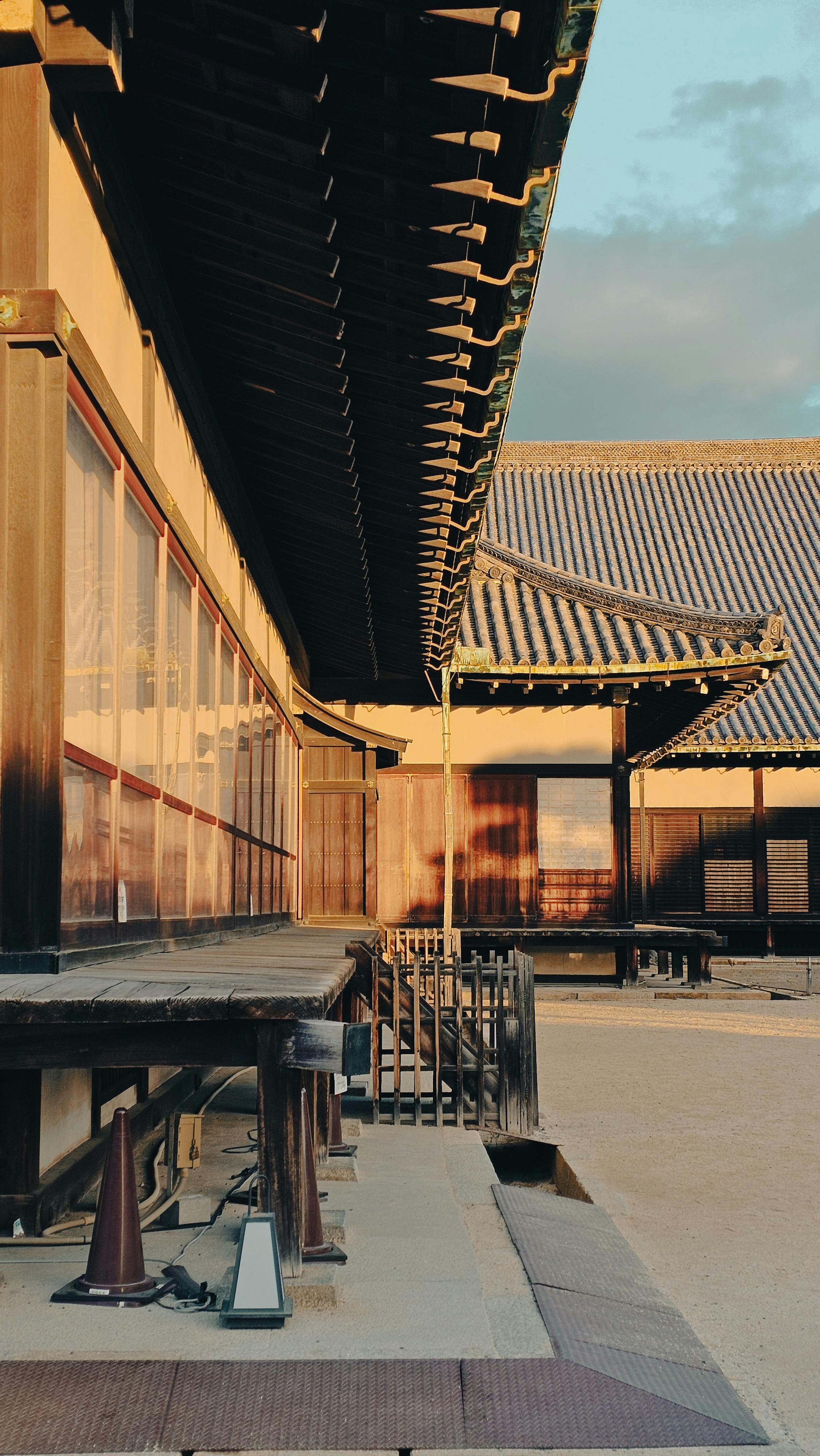
There is a woodworking tradition that arose in both Europe and in Japan, because wood is an extraordinary material to build things with. In both places, a variety of tools were developed to cut and shape and bind wood. Both traditions therefore have saws, and chisels, and various ways to attach pieces of wood to one another.
But in the Japanese tradition, which largely has animist roots, wood was viewed as a Being, not an object. If a material is imbued with animacy, we relate to it in a different way.
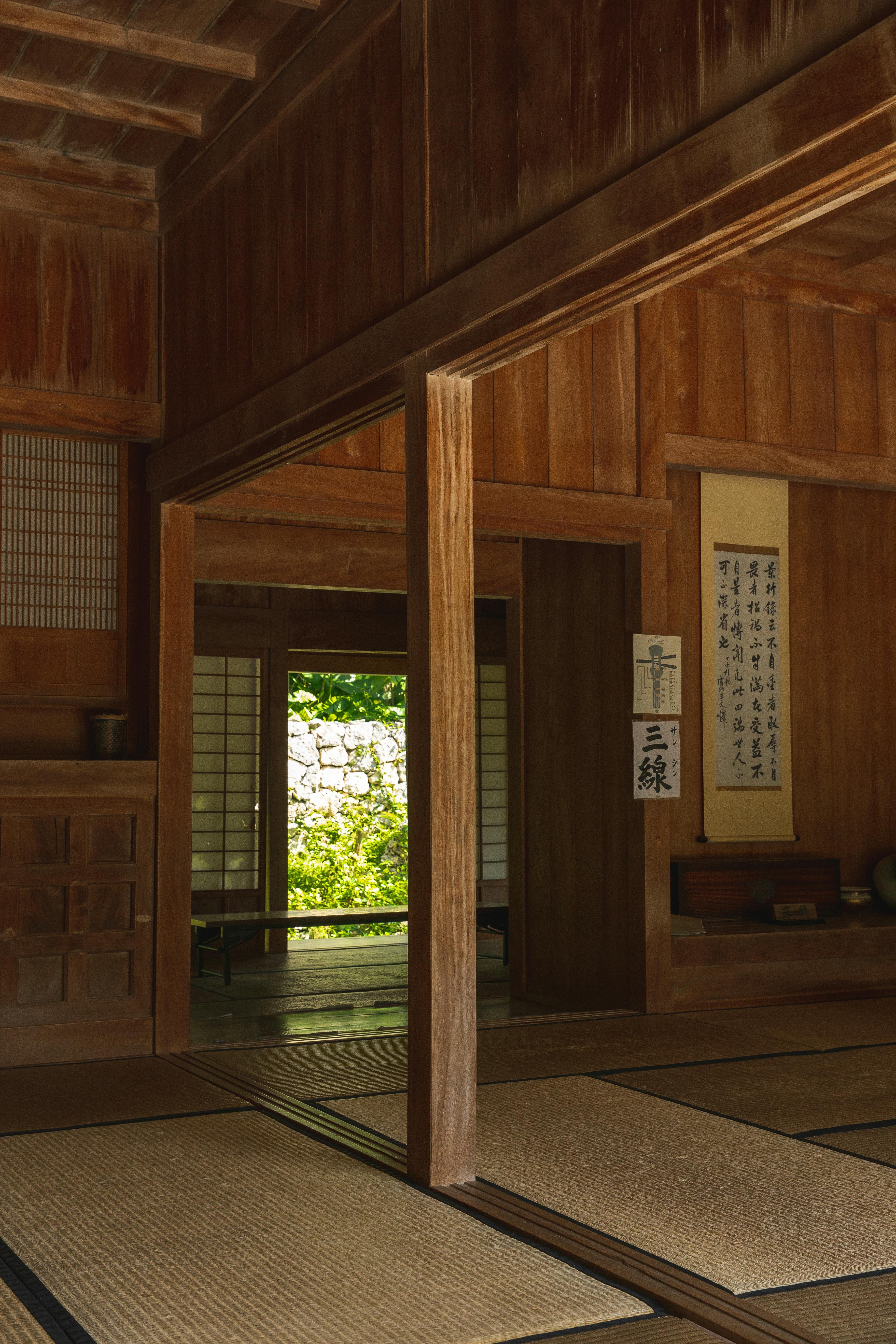
One of the fundamental orientations that changes when you are working with a being is that you seek to be in relationship to it.
And for this reason, Japanese carpentry is designed to bring the wood toward you. Japanese carpenters wear soft shoes, the saws cut on the pullstroke (pulling the wood to you), the joinery binds wood to itself.
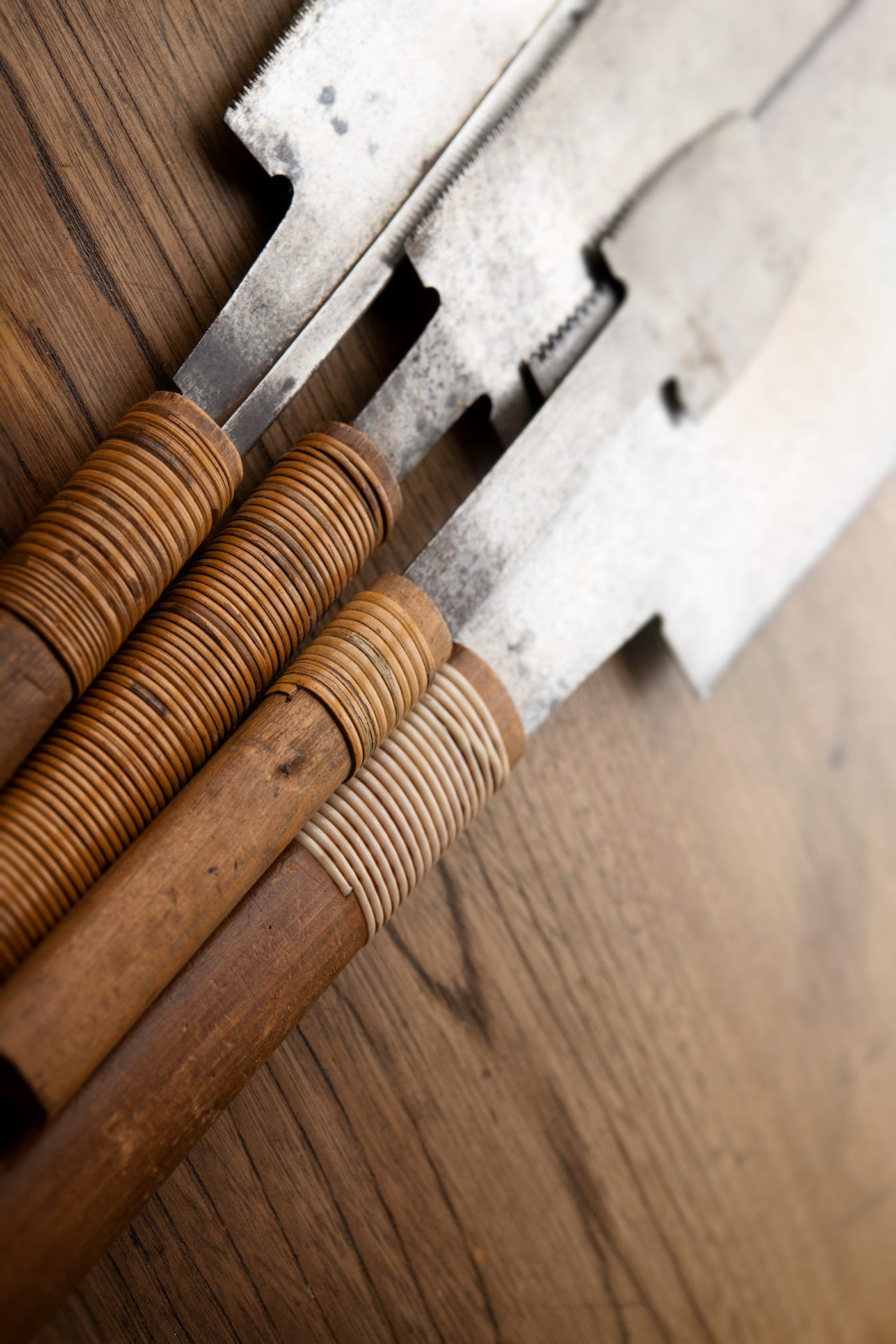
This is very different than the European woodworking tradition, which regards wood as a beautiful, yet inert commodity. A thing we do not seek relationship with. The tools, therefore of European carpentry accomplish then ostensibly the same tasks– they cut wood, they shape it, they bind it together–but they do so with different tools. European saws cut on the push stroke. Because they do this, European carpenters rely on clamps to stabilize the wood, whereas Japanese carpenters stabilize it with their bodies.
In the Japanese carpentry tradition, as the carpenter you become the clamp. The saw pulls the wood closer into your embrace. This is what stabilizes it.
In distillate: worldview > tools > results
All tools arise from a worldview, whether it is explicit or not.
Animist worldviews create tools for working with living materials.
Materialist worldviews create tools for working with inert materials.
This is one thing when we are talking about wood, but it another thing entirely when we are talking about humans.

The question I wanted to dive into with Dr. Sera is What is healing? and What are we healing from?
Because this surfaces our worldview, which is…animist.
Unlike allopathic medicine, autonomics recognizes that you are alive.
4 out of 5 visits to a physician are stress-related, yet never once in the history of allopathic medicine has the lineage successfully diagnosed or treated a stress-related disorder. This is not a problem with tools: it is a problem as deep as worldview.
You can watch and listen to my podcast with Dr. Sera here, or you can listen to it anywhere you get your podcasts. Find the December 3 issue of The Vitalist Podcast.
We have made our entire catalog of books available digitally. GROUND, the second book in the Autonomics Trilogy, releases in hardcover and paperback December 15: you can find it wherever books are sold. About it, embodiment pioneer Philip Shepherd, Creator of The Embodied Present Process, best-selling author of Radical Wholeness, New Self, New World, and Deep Fitness says
GROUND is a seismic event that cracks open our human experience in multiple directions to let the light in where it is most needed. It is actually three books intricately interwoven as one. It is a story of personal excavation, fuelled by a deeply informed inquiry that cannot but illuminate the pathways of the reader’s own inquiry; it is a clinical diagnosis of an illness inherent to modernity, and of the ways in which its touch blights our lives and the lives around us; and it is a treatise of sober encouragement that helps point the way forward for us all. Gifting us with a holistic understanding of both our personal and cultural concerns, Ground couldn’t be more relevant for our times. Read it and be nourished!”
–Philip Shepherd
I am teaching the book in a 4-part deep dive Tuesdays January 13, 20, 27, and February 3. You will read the book prior to coming to class. Then, as a small group, we will work 4 x 3 hour experiential sessions on this. This is our winter session class, and it is called GROUNDED. Apply here. It is an experiential, experimental course in grounding, through the lenses of civilization, lineage, physiology, and metabolism– the lenses applied in the book itself.